
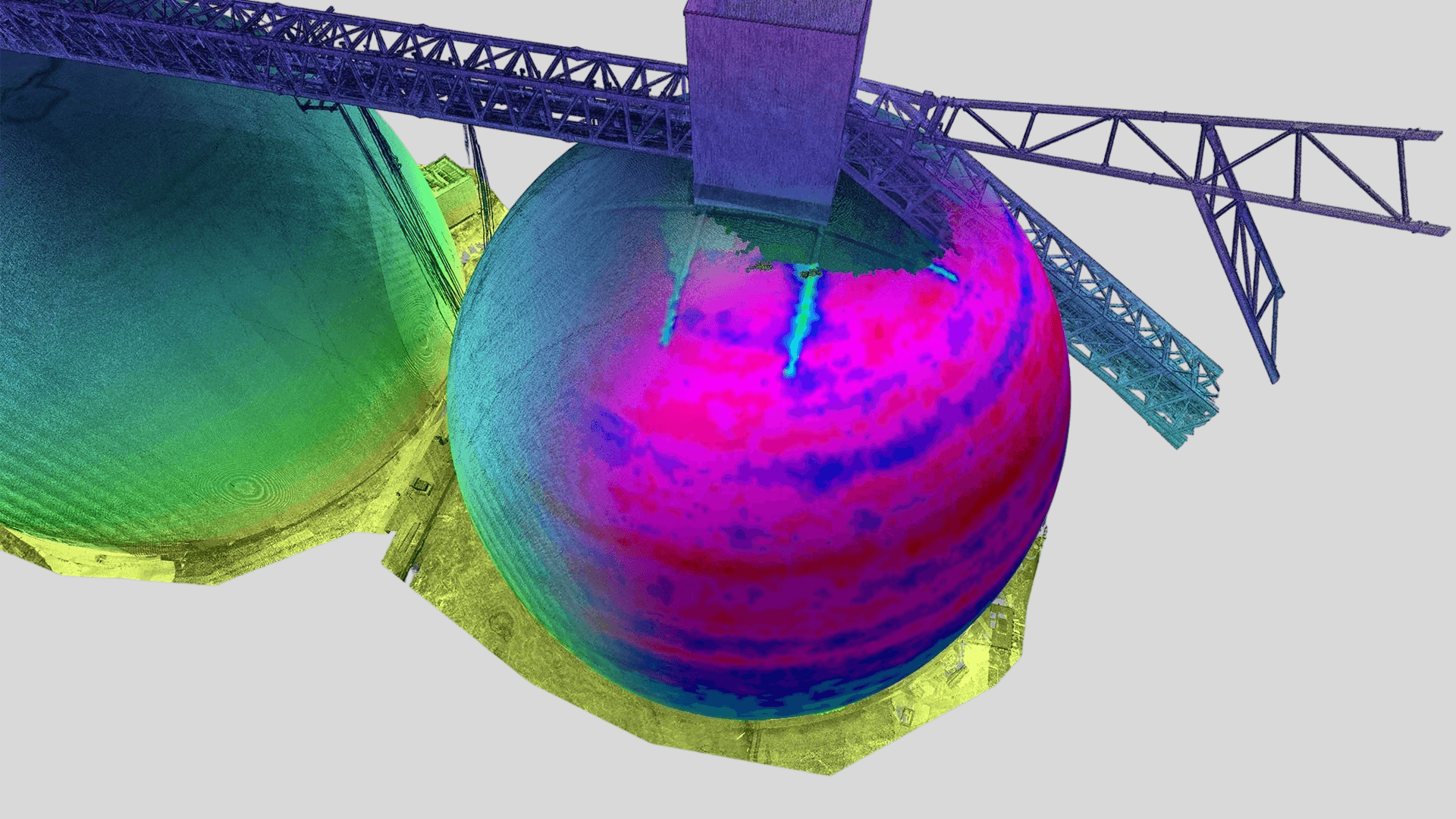
WEAR ANALYSIS
3D color maps using 3D laser scanning and/or CMM
measurements—making changes easy to visualize and report.

WEAR ANALYSIS
3D color maps using 3D laser scanning and/or CMM
measurements—making changes easy to visualize and report.

WEAR ANALYSIS
3D color maps using 3D laser scanning and/or CMM
measurements—making changes easy to visualize and report.


Deformation & Wear Analysis
Deformation & Wear Analysis with 3D Color Maps
Deformation & wear analysis is used to evaluate how equipment, structures, and surfaces change over time due to operational loads, environmental conditions, impact, abrasion, settlement, or long-term use. In applications where even small geometric changes can affect performance, safety, or service life, 3D laser scanning provides a fast and highly accurate way to document existing conditions in full detail. By capturing dense spatial data across the full surface of an object or structure, 3D laser scanning allows deformation and wear to be assessed far more comprehensively than conventional methods based on limited manual measurements.
Our workflow typically involves comparing 3D laser scan data with an existing design model or with a previous 3D laser scan dataset. This makes it possible to identify dimensional change, material loss, movement, or distortion with a high level of precision. The results can be presented through detailed 2D and 3D deviation/deformation color maps, allowing areas of concern to be clearly visualized and analyzed efficiently. This is particularly useful for monitoring progressive wear, tracking structural movement, and identifying localized deformation before it develops into a more serious operational or structural issue.
Because 3D laser scanning captures complete surface geometry rather than isolated measurement points, it is especially effective for complex shapes, large surfaces, and irregular wear patterns that may be difficult to assess accurately using conventional methods. Depending on the application, deformation & wear analysis can be used to evaluate equipment condition, verify dimensional stability, monitor structural behavior, assess erosion or abrasion, and support maintenance or replacement planning. Repeated 3D laser scanning over time also makes it possible to monitor trends and determine whether a condition is stable, gradually progressing, or deteriorating more rapidly than expected.
We can also perform dimensional and geometric dimensioning and tolerancing (GD&T)-based analysis from 3D laser scan and CMM measurement data, including flatness, levelness, straightness, roundness, concentricity, perpendicularity, parallelism, and related geometric checks where required. By combining high-accuracy 3D laser scanning with refined comparison and analysis workflows, we deliver dependable results that support condition assessment, maintenance planning, and informed engineering decision-making.
Our Equipment
Equipment We Use for Deformation & Wear Analysis
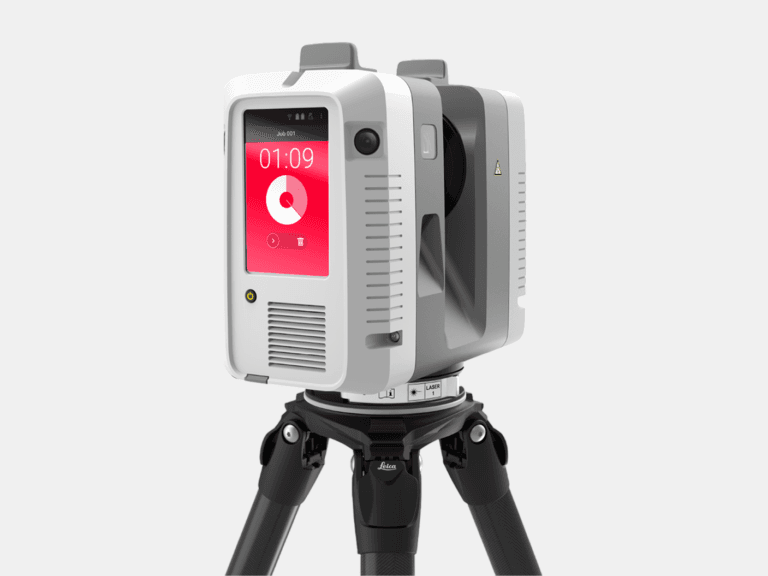
TERRESTRIAL 3D LASER SCANNER
With a range of 0.5-130 m and a 3D accuracy of 1.9 mm @ 10 m, the Leica RTC360 captures high-accuracy terrestrial 3D laser scans of medium to large assets.
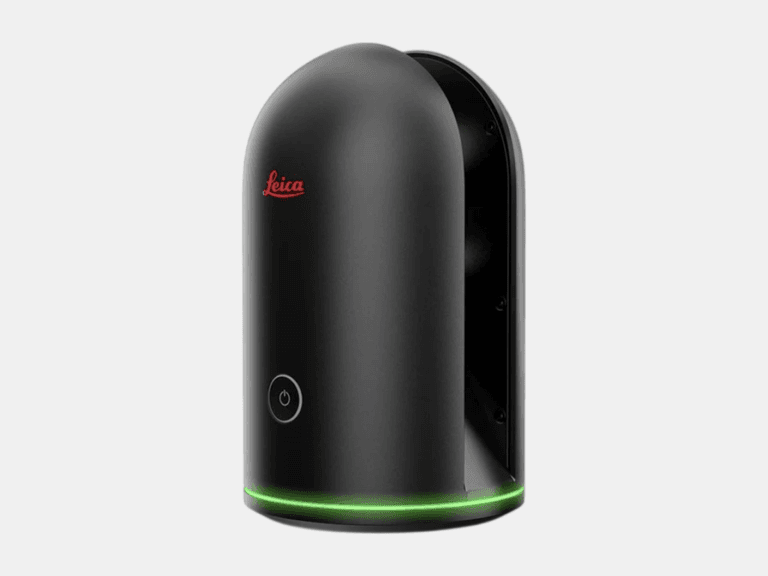
TERRESTRIAL 3D LASER SCANNER
With a range of 0.6-60 m and a 3D accuracy of 4 mm @ 10 m, the Leica BLK360 is ideal for 3D laser scanning in tight, space-constrained areas on small to medium assets.
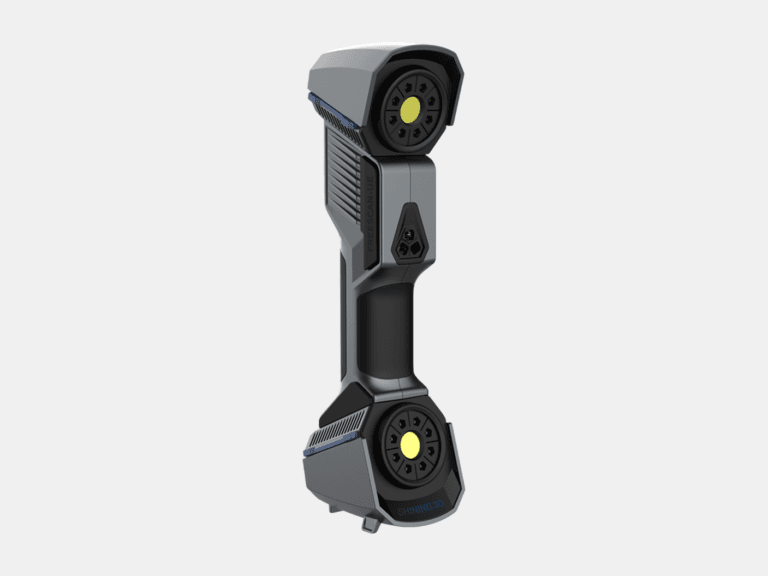
HANDHELD 3D LASER SCANNER
With a 3D accuracy up to 0.02 mm, the FreeScan UE Pro is a metrology-grade handheld 3D laser scanner for high-detail 3D laser scanning of small to medium objects.
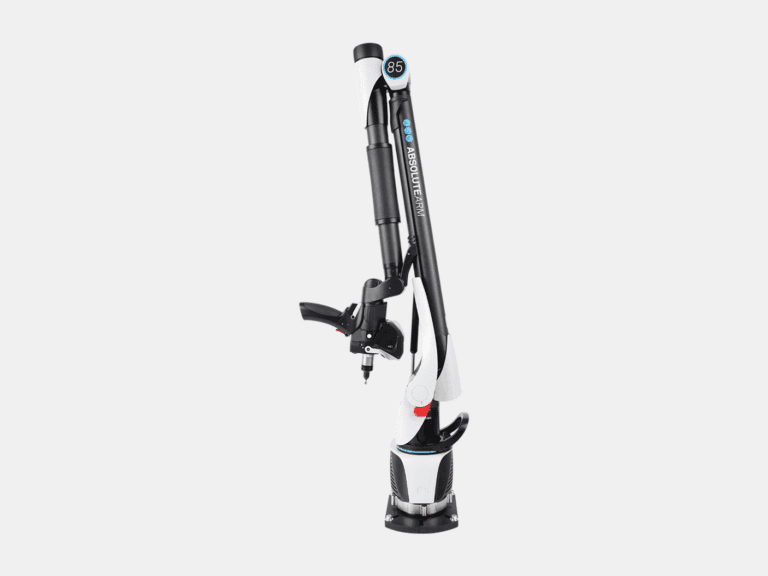
MEASURING ARM CMM
With a 3D accuracy up to 0.013 mm for the AS1 3D laser scanner, the Absolute Arm 7-Axis combines probing and 3D laser scanning for precision measurement of small to medium objects.
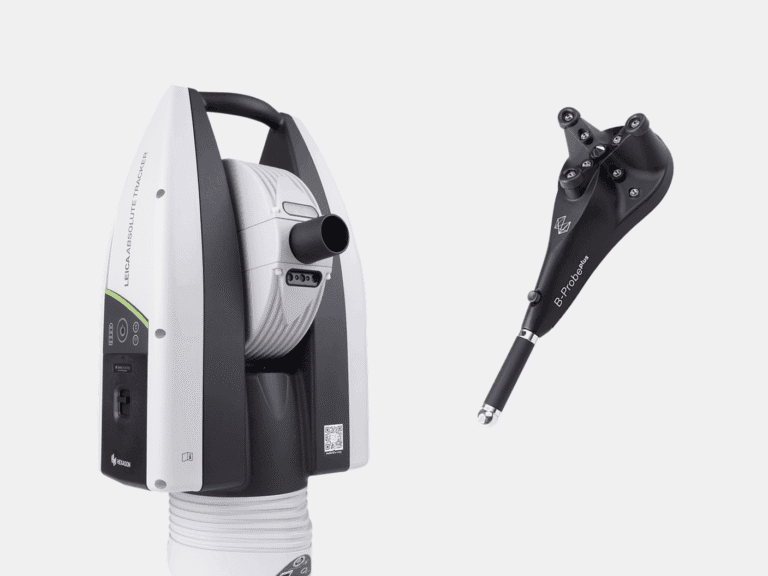
LASER TRACKER CMM
With a range of 0.8-160 m and a probing accuracy up to 0.015 mm, the AT500 is used to probe small to large objects for precision inspection, alignment, and verification.
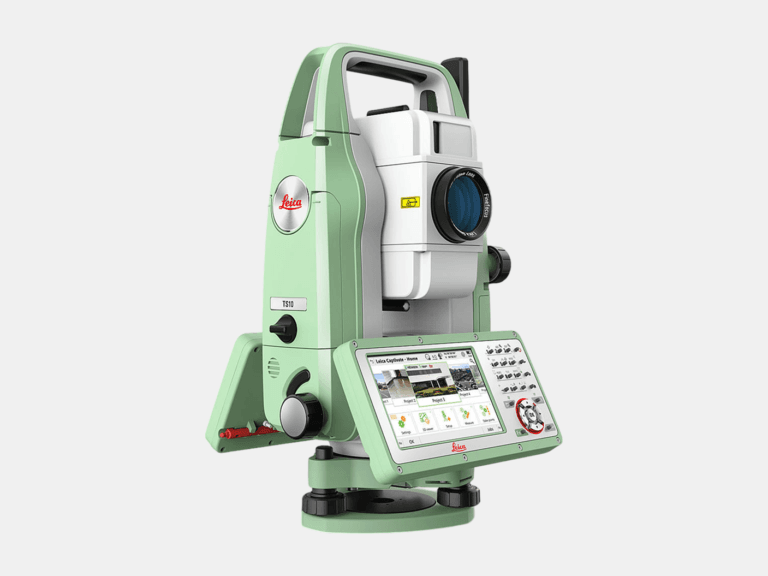
TOTAL STATION
With an angular accuracy of 1″, a distance accuracy up to 1 mm, and a range of 0.9-3,500 m, the TS10 establishes survey control that enables the most accurate terrestrial 3D laser scan registration possible.
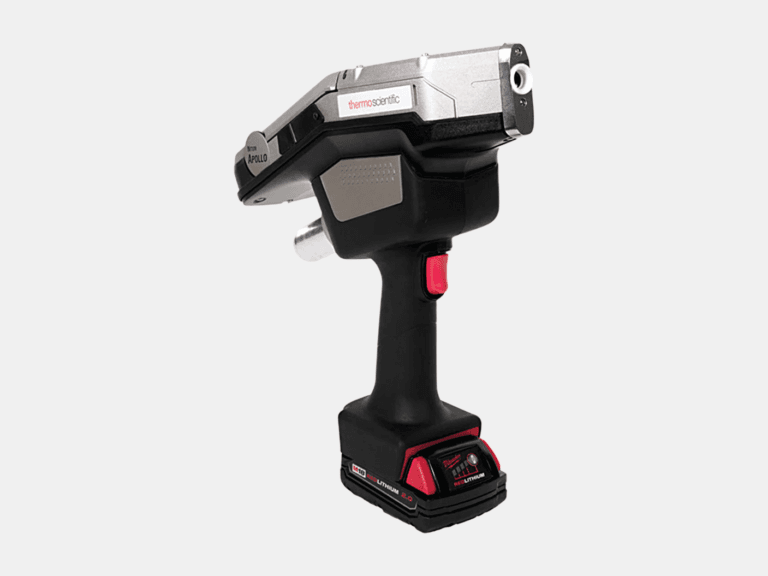
HANDHELD LIBS ANALYZER
Using a handheld LIBS analyzer, the Niton Apollo detects C, Al, Si, Ti, V, Cr, Mn, Co, Ni, Cu, Nb, Mo, and W on-site to differentiate steel grades beyond XRF.
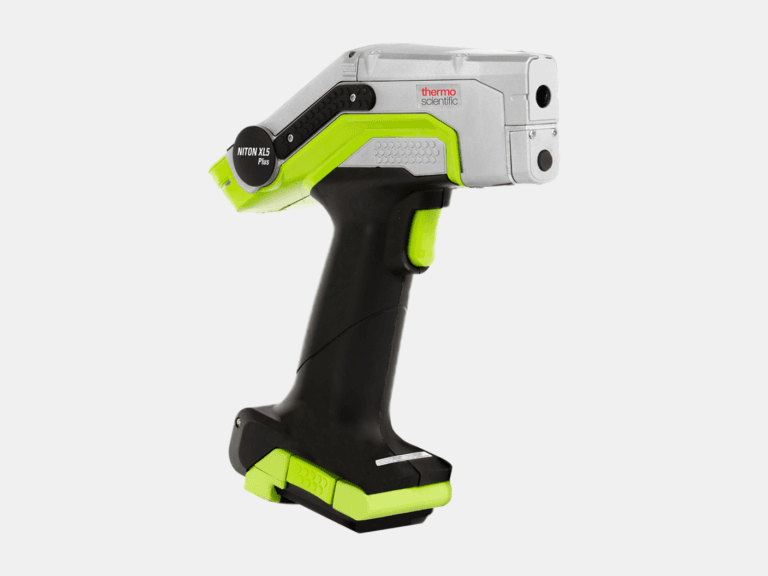
HANDHELD XRF ANALYZER
Using a handheld XRF analyzer, the Niton XL5 Plus identifies and quantifies elements from Mg to U on-site for rapid alloy identification and PMI.
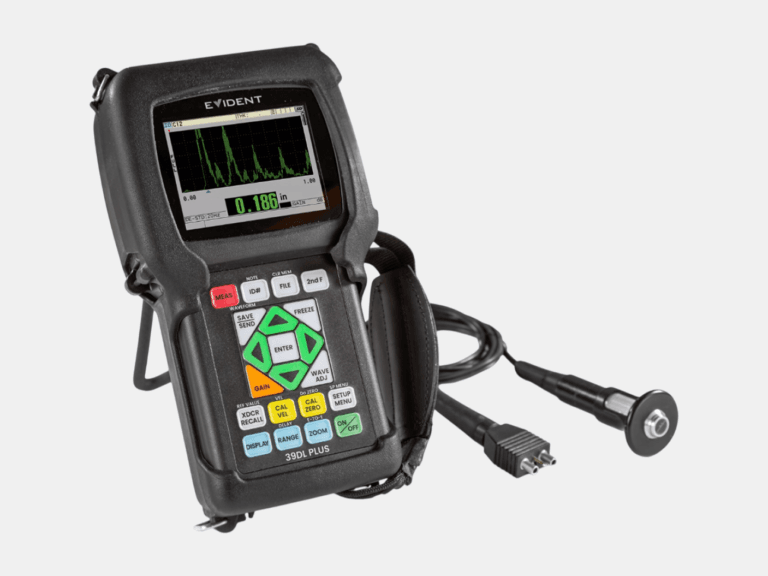
ULTRASONIC THICKNESS GAUGE
With a thickness range of 0.08-635 mm and multilayer capability to measure up to four individual layers, the 39DL PLUS delivers reliable ultrasonic thickness measurements.
Common Applications
Where Deformation & Wear Analysis Delivers Value
As-Built Deliverables
