
INSPECTION
fast, accurate propeller inspections in accordance with ISO
484 tolerance standards—supporting repairs and verification.
INSPECTION
fast, accurate propeller inspections in accordance with ISO
484 tolerance standards—supporting repairs and verification.
INSPECTION
fast, accurate propeller inspections in accordance with ISO
484 tolerance standards—supporting repairs and verification.

Propeller Inspection
Propeller Inspection to ISO 484 with TrueProp Software
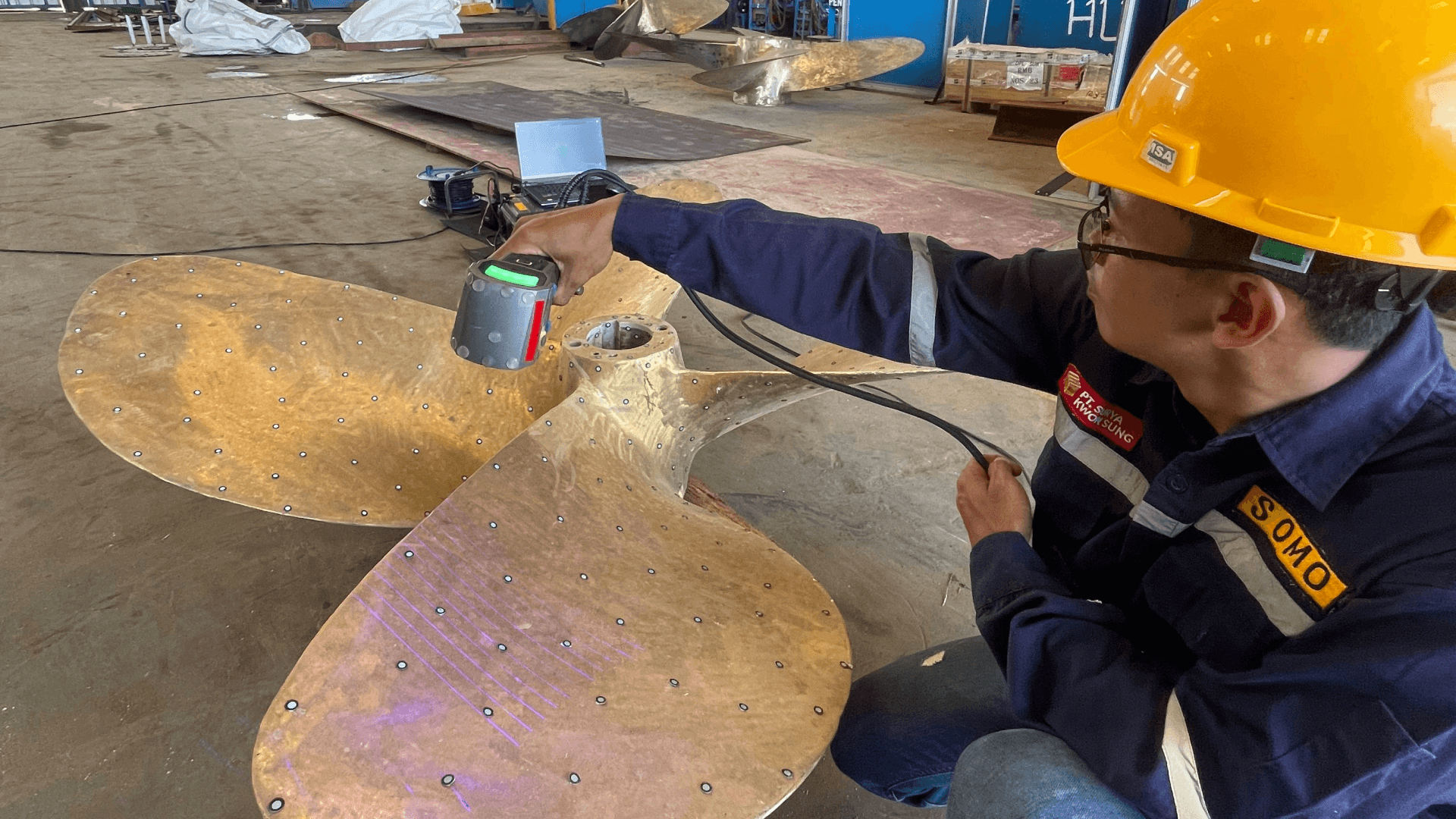
Propeller damage and tolerance deviations—especially those associated with ISO 484 Class 3 propellers—can significantly reduce propeller efficiency, lower thrust, and generate excessive vibration that can travel up the driveline and affect bearings, gearboxes, and engines. These issues can lead not only to reduced performance and higher operating costs, but also to increased mechanical wear and a greater risk of long-term damage to connected components. In many cases, such damage or deviation is not readily apparent from a simple visual inspection, making accurate measurement and analysis essential.
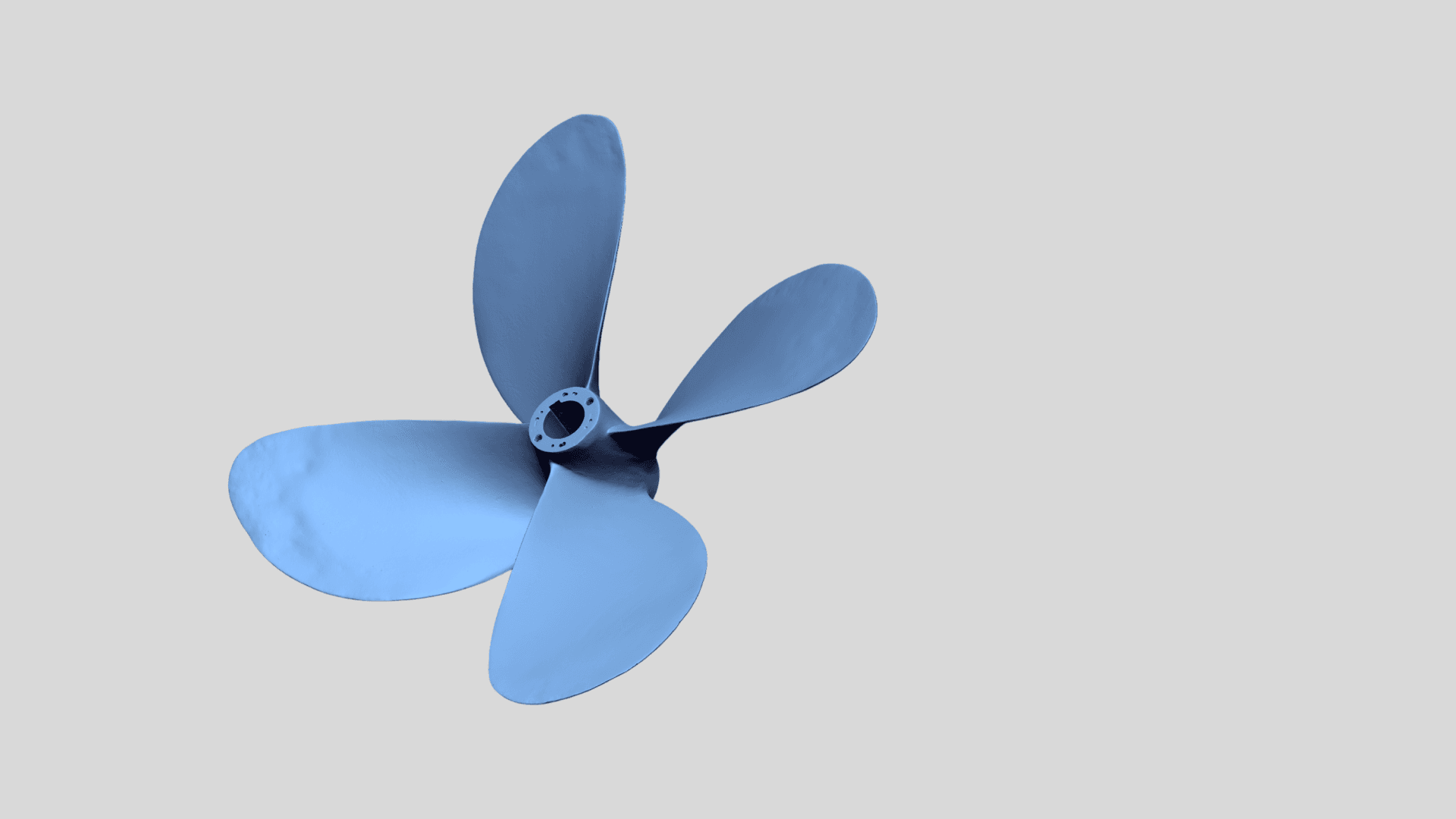
3D laser scanning paired with TrueProp Software™ provides a fast and highly accurate method for propeller inspection. This approach not only identifies and documents damage, wear, and tolerance deviations, but also determines the propeller’s ISO 484 class and evaluates critical specifications required for repair, repitching, replacement, or repowering. Because the inspection is based on precise 3D laser scan data rather than visual judgment alone, it provides a much more reliable and accurate basis for assessing the true condition and performance of the propeller.
With metrology-grade handheld 3D laser scanners or measuring arm CMMs with 3D laser scanners, propellers of virtually any size and shape can be 3D laser scanned and inspected quickly and in a wide range of positions—even while installed on the vessel—eliminating the need for removal in many cases. This makes the inspection process more efficient and practical, especially where disassembly would otherwise add time, cost, or operational disruption. The ability to inspect propellers in place is a significant advantage for both routine condition assessment and more urgent damage evaluation.
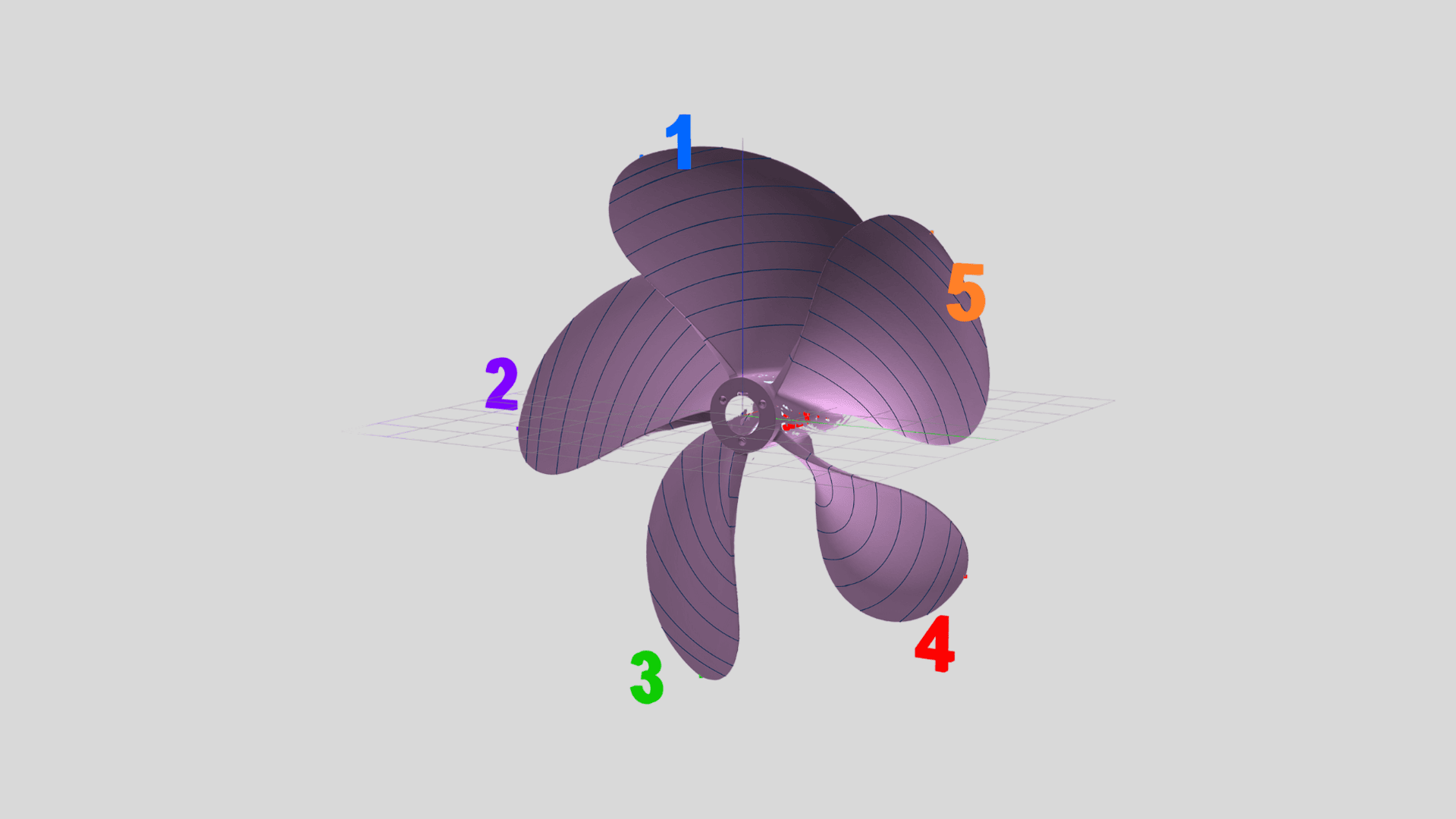
TrueProp Software™ is a specialized program that analyzes captured 3D laser scan data against ISO 484-2 industry-standard tolerances. It automatically evaluates key measurements, including ISO radii, prop pitch, blade pitch, section pitch, local pitch, tip diameters, chord length, leading-edge skew, rake track, and blade spacing, to determine the propeller’s ISO 484 class. This allows the measured propeller geometry to be assessed in a structured and repeatable way, providing clear information for technical evaluation and decision-making.
In the ISO 484 system, Class S represents the highest tolerance level, followed by Classes 1, 2, and 3, with Class 3 representing the lowest tolerance. By accurately measuring and documenting the propeller against these tolerance standards, we can help determine whether the propeller remains within acceptable limits or requires corrective action. This gives owners, operators, and repair teams a dependable basis for planning maintenance, evaluating repair options, and restoring propeller performance as effectively as possible.
Our Equipment
Equipment We Use for Propeller Inspection
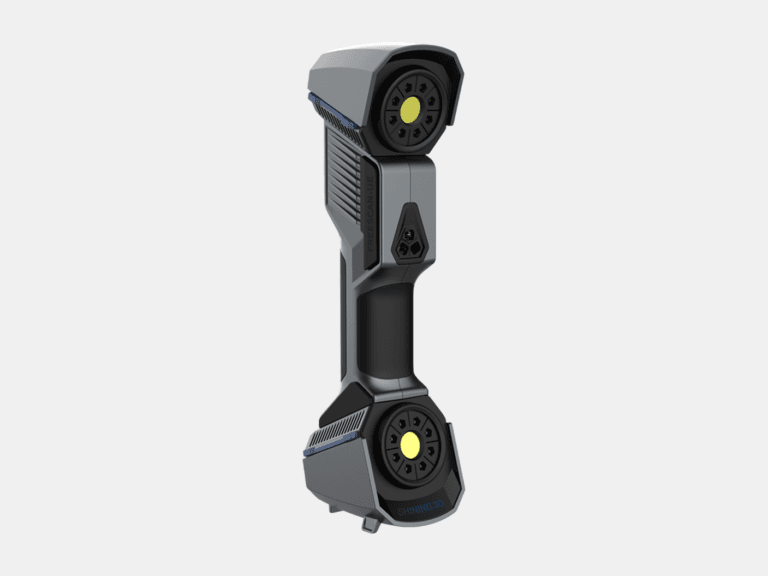
HANDHELD 3D LASER SCANNER
With a 3D accuracy up to 0.02 mm, the FreeScan UE Pro is a metrology-grade handheld 3D laser scanner for high-detail 3D laser scanning of small to medium objects.
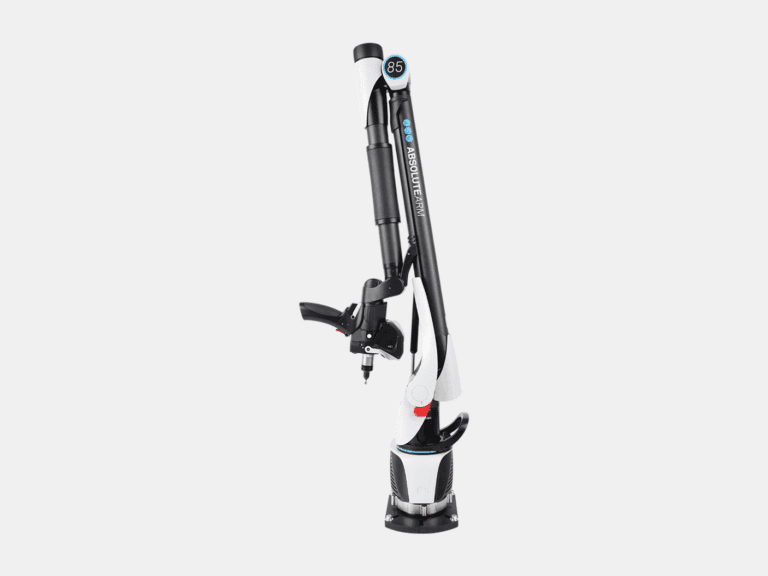
MEASURING ARM CMM
With a 3D accuracy up to 0.013 mm for the AS1 3D laser scanner, the Absolute Arm 7-Axis combines probing and 3D laser scanning for precision measurement of small to medium objects.
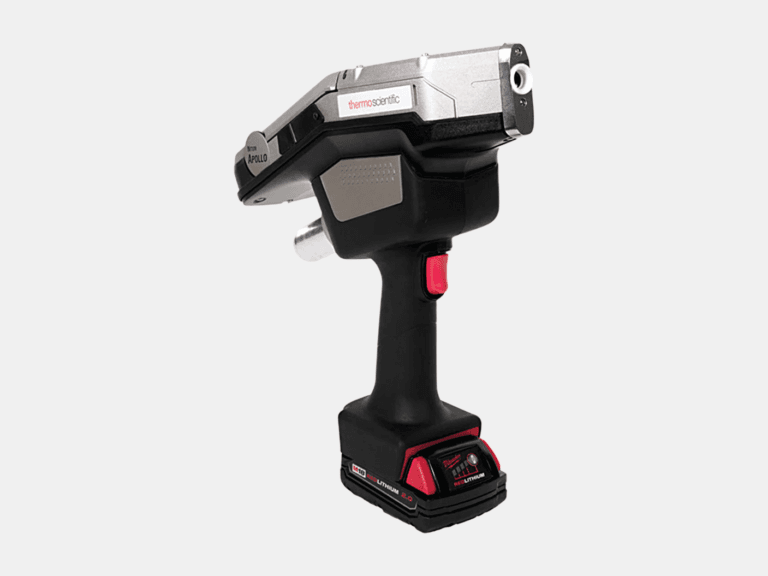
HANDHELD LIBS ANALYZER
Using a handheld LIBS analyzer, the Niton Apollo detects C, Al, Si, Ti, V, Cr, Mn, Co, Ni, Cu, Nb, Mo, and W on-site to differentiate steel grades beyond XRF.
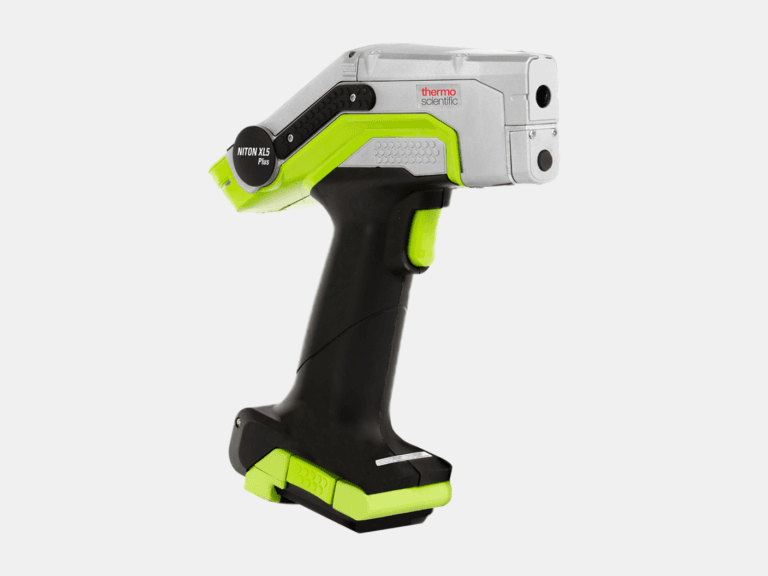
HANDHELD XRF ANALYZER
Using a handheld XRF analyzer, the Niton XL5 Plus identifies and quantifies elements from Mg to U on-site for rapid alloy identification and PMI.
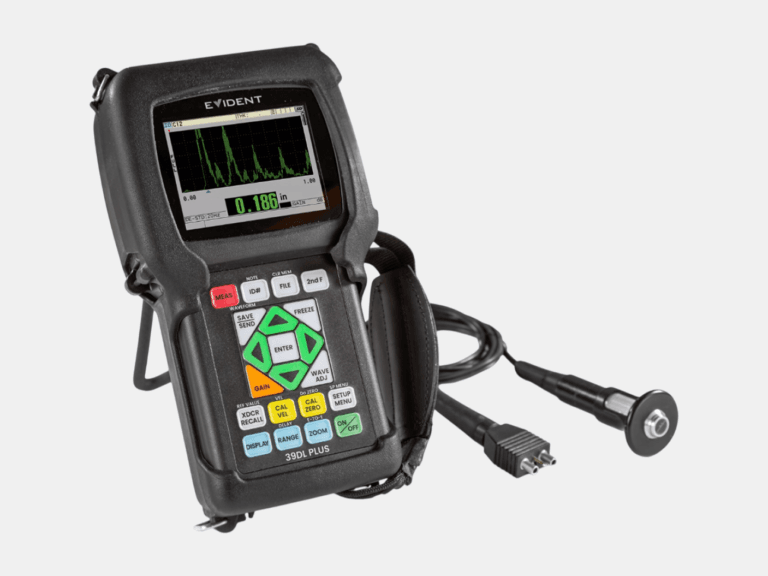
ULTRASONIC THICKNESS GAUGE
With a thickness range of 0.08-635 mm and multilayer capability to measure up to four individual layers, the 39DL PLUS delivers reliable ultrasonic thickness measurements.
Common Applications
Where Propeller Inspection Delivers Value
As-Built Deliverables
Sample Inspection Reports
Propeller
Propeller Inspection Report
- ISO Radii
- Prop Pitch
- Blade Pitch
- Section Pitch
- Local Pitch
- Tip Diameters
- Chord Length
- LE Skew
- Rake Track
- Blade Spacing
- ISO Radii
- Prop Pitch
- Blade Pitch
- Section Pitch
- Local Pitch
- Tip Diameters
- Chord Length
- LE Skew
- Rake Track
- Blade Spacing
