
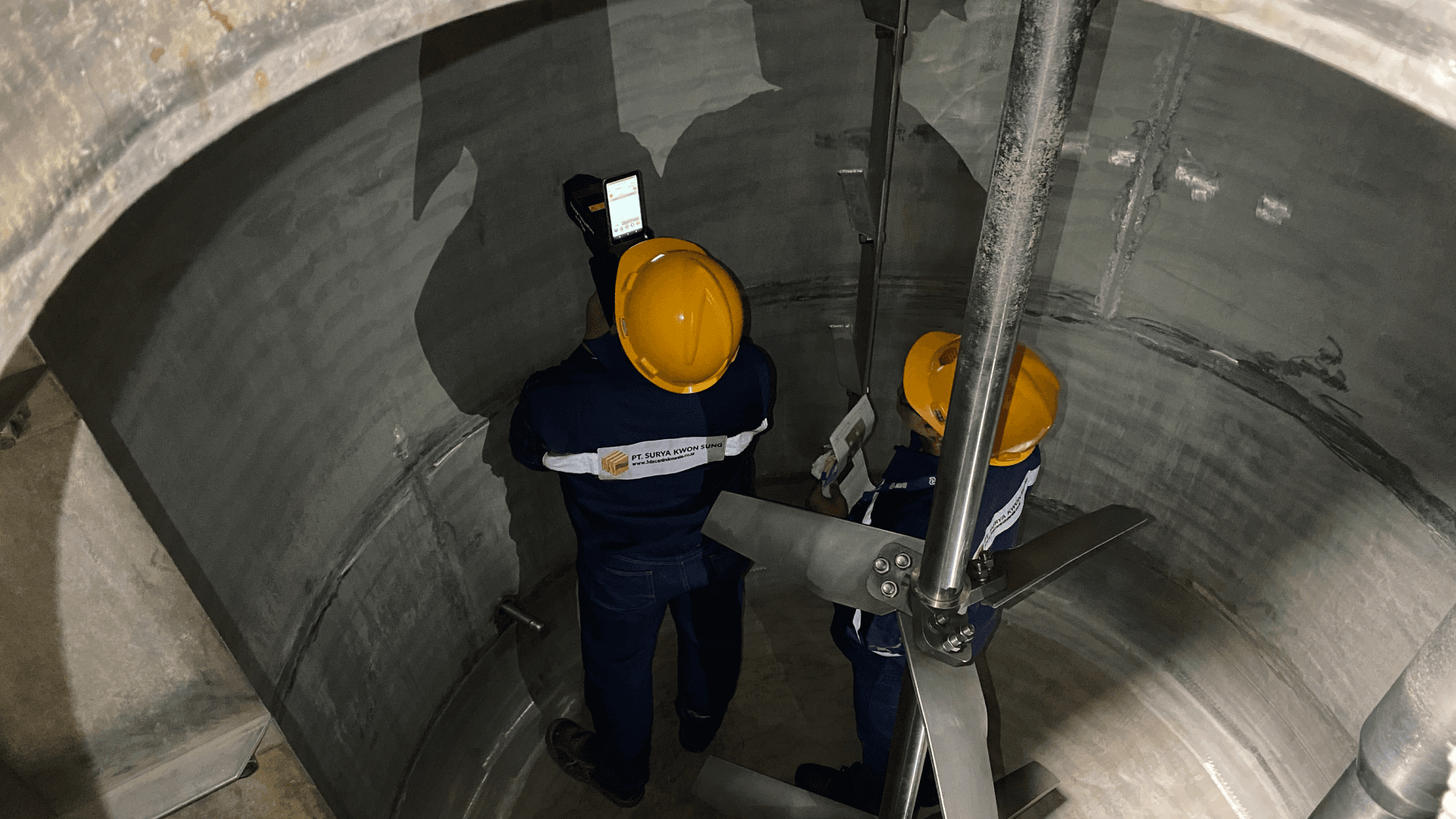
THICKNESS ANALYSIS
materials, including carbon content for steel grade identification,
and ultrasonic thickness gauges to precisely measure thickness.

THICKNESS ANALYSIS
materials, including carbon content for steel grade identification,
and ultrasonic thickness gauges to precisely measure thickness.

THICKNESS ANALYSIS
materials, including carbon content for steel grade identification,
and ultrasonic thickness gauges to precisely measure thickness.


LIBS, XRF, & Ultrasonic Thickness Analysis
Material Verification with LIBS, XRF, & Ultrasonic Thickness Analysis
For applications where carbon content is critical—especially in carbon steels, low-alloy steels, and certain stainless steels—we provide handheld LIBS (Laser-Induced Breakdown Spectroscopy) analysis using the Thermo Scientific™ Niton™ Apollo™. Unlike handheld XRF, the Niton Apollo is designed to quantify carbon directly in iron-based alloys and can also detect elements such as Al, Si, Ti, V, Cr, Mn, Fe, Co, Ni, Cu, Nb, Mo, and W. This makes LIBS especially valuable for positive material identification (PMI), QA/QC, reverse engineering, and material verification workflows where accurate carbon measurement is essential for confirming steel grades and matching original material specifications.
We also provide X-ray fluorescence (XRF) analysis, a nondestructive testing (NDT) method used to determine the elemental composition of materials without cutting or damaging the part. Using the Thermo Scientific™ Niton™ XL5 Plus handheld XRF analyzer, we can perform rapid elemental analysis across a broad analytical range from Mg to U. This makes XRF particularly useful for positive material identification (PMI), alloy verification, tramp-element detection, coating and plating work, and confirmation of key alloying elements in the field. In practical applications, this supports verification of many commonly encountered elements in industrial alloys and materials, including Mg, Al, Si, Ti, V, Cr, Mn, Fe, Co, Ni, Cu, Zn, Zr, Nb, Mo, Ag, Sn, Sb, W, Au, Pb, and Bi.
Because 3D laser scanners measure surface geometry only, there are many situations where true wall thickness or remaining thickness cannot be determined from 3D laser scan data alone. To address this, we also perform ultrasonic thickness measurements using the Evident Olympus 39DL PLUS handheld ultrasonic thickness gauge. The 39DL PLUS functions as both a precision and corrosion thickness gauge, with a thickness range of 0.08 mm to 635 mm depending on the material and transducer selection. It also supports THRU-COAT™ and echo-to-echo measurements for work through painted or coated surfaces, offers high-resolution measurement down to 0.001 mm, and provides fast scanning capability for locating thin areas more efficiently.
When combined, LIBS, XRF, and ultrasonic thickness analysis provide information that geometry alone cannot supply. LIBS supports direct carbon measurement in iron-based alloys, XRF verifies broader elemental chemistry, and ultrasonic testing captures true thickness and remaining wall thickness. Together with 3D laser scan data, these methods support more complete engineering deliverables such as as-built 3D CAD models, BIM models, plant design models, and 2D CAD documentation that are aligned not only to geometry, but also to material and thickness requirements encountered in real-world industrial conditions. This combined workflow is especially valuable in reverse engineering, inspection, maintenance, condition assessment, and QA/QC applications.
Our Equipment
Equipment We Use for LIBS, XRF, & Ultrasonic Thickness Analysis
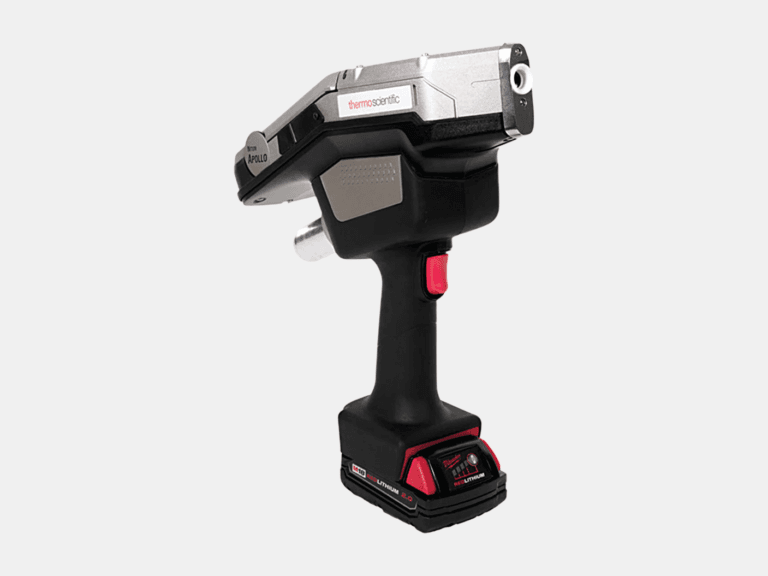
HANDHELD LIBS ANALYZER
Using a handheld LIBS analyzer, the Niton Apollo detects C, Al, Si, Ti, V, Cr, Mn, Co, Ni, Cu, Nb, Mo, and W on-site to differentiate steel grades beyond XRF.
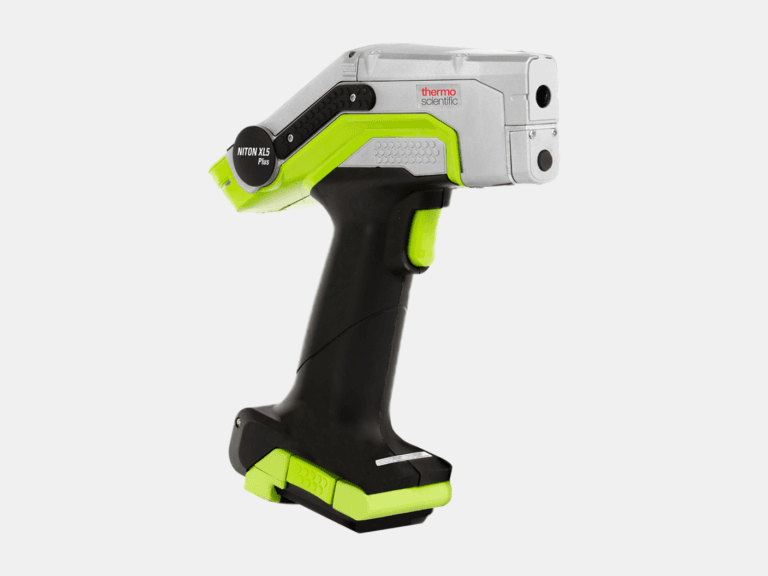
HANDHELD XRF ANALYZER
Using a handheld XRF analyzer, the Niton XL5 Plus identifies and quantifies elements from Mg to U on-site for rapid alloy identification and PMI.
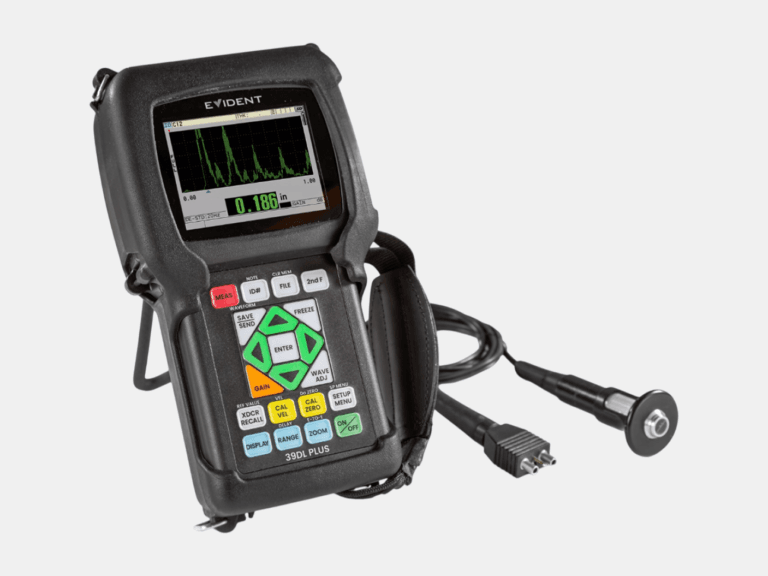
ULTRASONIC THICKNESS GAUGE
With a thickness range of 0.08-635 mm and multilayer capability to measure up to four individual layers, the 39DL PLUS delivers reliable ultrasonic thickness measurements.
Common Applications
Where LIBS, XRF, & Ultrasonic Thickness Analysis Deliver Value
As-Built Deliverables
Sample Inspection Reports
LIBS
LIBS Elemental Inspection Report
- Carbon (C)
- Iron (Fe)
- Chromium (Cr)
- Nickel (Ni)
- Molybdenum (Mo)
- Manganese (Mn)
- Copper (Cu)
- Al, Si, Ti, V, Co, Nb, W
- Carbon (C)
- Iron (Fe)
- Chromium (Cr)
- Nickel (Ni)
- Molybdenum (Mo)
- Manganese (Mn)
- Copper (Cu)
- Al, Si, Ti, V, Co, Nb, W
